🔬 Introduction
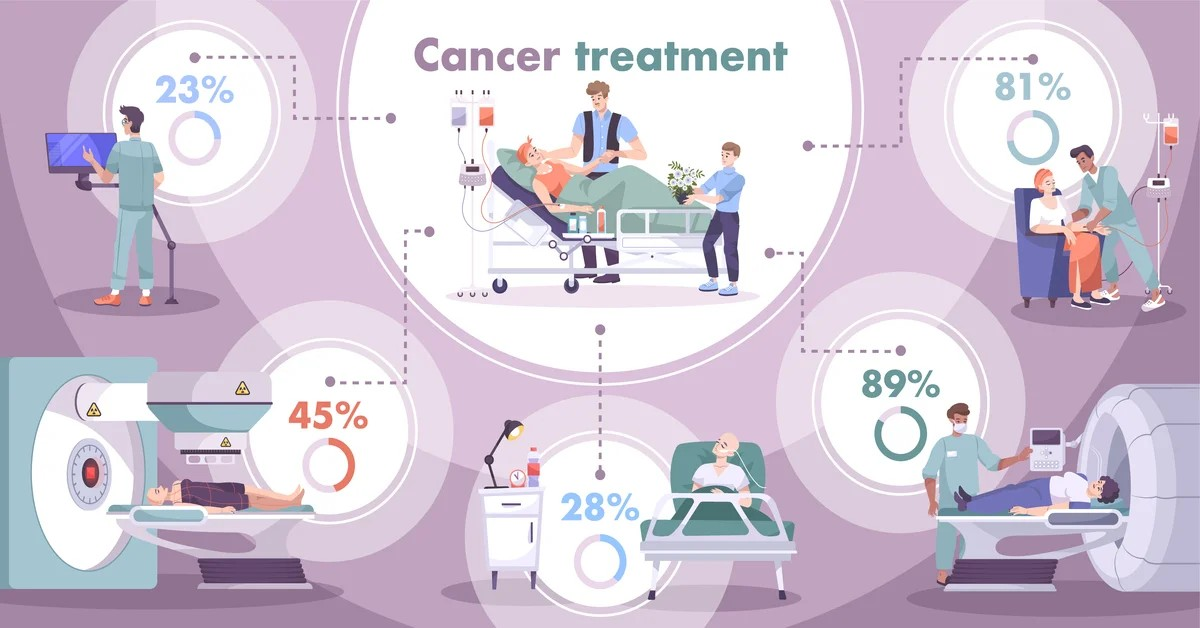
Cancer continues to be one of the leading causes of death globally, but advancements in anti-cancer therapies are rapidly transforming the landscape of oncology. From targeted therapy and immunotherapy to mRNA vaccines and CAR-T cell treatment, science is making remarkable strides in increasing survival rates, minimizing side effects, and personalizing cancer care.
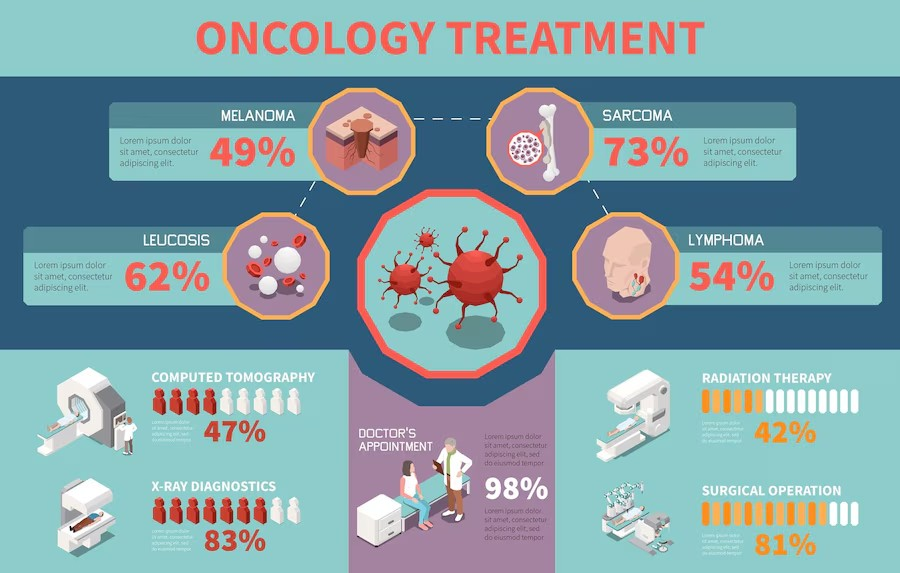
This blog explores the latest breakthroughs in cancer treatment, focusing on innovations approved or under investigation in the United States, with links to reputable U.S. healthcare and research sources.
🧬 Understanding Modern Anti-Cancer Therapies
Traditional cancer treatments like chemotherapy and radiation therapy often damage healthy cells and come with significant side effects. Today’s treatments aim to be:
-
More precise
-
Less toxic
-
More effective
-
Tailored to the patient’s genetic profile
🔗 National Cancer Institute (NCI) – Understanding Cancer Treatment
🚀 1. Targeted Therapy
Targeted therapies focus on specific genetic changes in cancer cells.
Examples:
-
HER2 inhibitors for breast cancer (e.g., Trastuzumab)
-
EGFR inhibitors for non-small cell lung cancer
-
BRAF inhibitors for melanoma
🧠 2. Immunotherapy
Immunotherapy uses the body’s immune system to fight cancer.
Types:
-
Checkpoint inhibitors (e.g., Pembrolizumab, Nivolumab)
-
Monoclonal antibodies
-
Cancer vaccines
🧪 3. CAR-T Cell Therapy
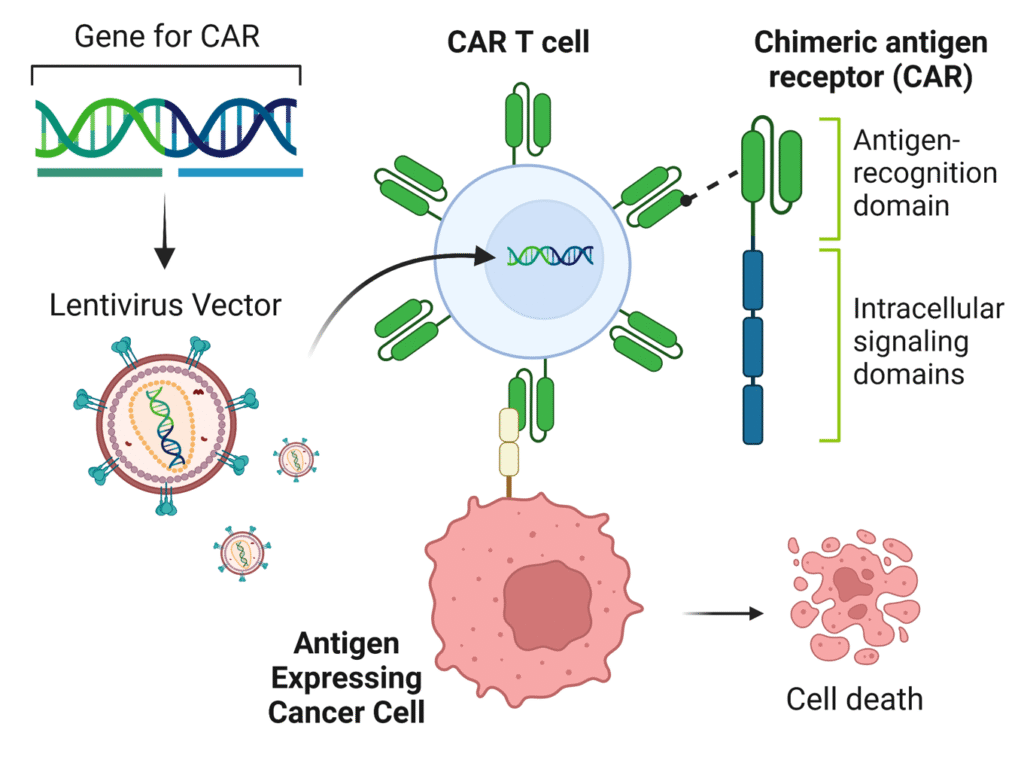
CAR-T (Chimeric Antigen Receptor T-cell) therapy involves modifying a patient’s T-cells to attack cancer.
Approved for:
-
Acute lymphoblastic leukemia (ALL)
-
Diffuse large B-cell lymphoma (DLBCL)
-
Multiple myeloma
💉 4. mRNA Cancer Vaccines
Inspired by the success of COVID-19 vaccines, researchers are developing mRNA-based cancer vaccines targeting tumors.
-
Personalized mRNA vaccines are in clinical trials
-
Can target multiple mutations in a single tumor
🌡️ 5. Radiopharmaceuticals
These treatments use radioactive isotopes to deliver radiation directly to cancer cells.
-
Approved radiopharmaceuticals: Lutetium-177 for prostate cancer
-
Allows targeted radiation with less systemic exposure
📊 6. AI and Precision Oncology
AI algorithms are now used to:
-
Identify optimal treatment combinations
-
Predict tumor growth
-
Personalize drug therapy based on genomic analysis
🧠 7. Liquid Biopsies
Instead of surgical biopsies, liquid biopsies detect tumor DNA in blood, helping to:
-
Monitor cancer progression
-
Detect early-stage cancer
-
Personalize treatment
🌍 8. Combination Therapies
Using two or more modalities (e.g., chemo + immunotherapy) enhances treatment outcomes. Many trials are exploring combinations that increase tumor response and reduce drug resistance.
🏥 Clinical Trials and FDA Approvals
Hundreds of clinical trials are underway in the U.S. to evaluate:
-
New drug molecules
-
Immunotherapy and gene therapy combinations
-
Next-gen targeted therapy for rare cancers
🧑⚕️ What Should Patients Know?
-
Not all new therapies are suitable for everyone
-
Genetic testing may be required to determine eligibility
-
Discuss clinical trial options with your oncologist
-
Seek second opinions at top U.S. cancer centers like:
🧭 Leading Cancer Research Institutions in the U.S.
🧠 Future Directions in Oncology
-
Cancer nanomedicine for ultra-targeted delivery
-
Epigenetic therapies to silence cancer-causing genes
-
Pan-cancer diagnostics from a single blood sample
-
CRISPR gene editing to modify cancer at the DNA level
✅ Conclusion
The fight against cancer is entering a revolutionary era. With cutting-edge therapies like immunotherapy, CAR-T, targeted drugs, and AI-driven personalized medicine, patients now have more hope than ever before.
By staying informed and exploring emerging treatments, patients and their families can take an active role in choosing the best care path.
Leave a Reply