Author: fluxioninnovation

  • Combating Antibiotic Resistance: Strategies and Solutions

    Combating Antibiotic Resistance: Strategies and Solutions

    🔬 Introduction

    Antibiotics have been one of the greatest medical discoveries of the 20th century. However, their overuse and misuse have led to a public health crisis: antibiotic resistance. According to the Centers for Disease Control and Prevention (CDC), more than 2.8 million antibiotic-resistant infections occur each year in the U.S., causing over 35,000 deaths.

    This blog explores why antibiotic resistance is rising, its global impact, and the evidence-based strategies that the U.S. and international health communities are deploying to combat it.

    🧬 What Is Antibiotic Resistance?

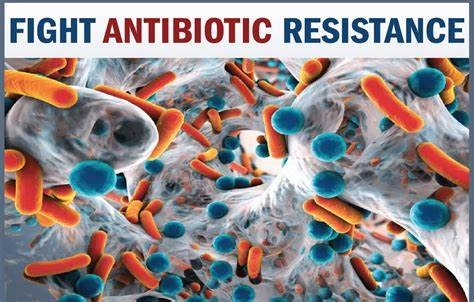
    Antibiotic resistance occurs when bacteria evolve mechanisms to survive exposure to antibiotics designed to kill them. Over time, resistant strains like MRSA, CRE, and VRE can cause untreatable infections.

    Combating Antibiotic Resistance: Strategies and Solutions

    🔗 CDC – What Is Antibiotic Resistance


    🚨 Why Is It a Global Crisis?

    • Antibiotics are losing efficacy

    • New drug development is slow

    • Routine surgeries are at higher risk

    • Cost of care rises significantly

    • Agricultural overuse adds to the problem

    🔗 World Health Organization (WHO) – Global Threat


    🔍 Causes of Antibiotic Resistance

    1. Overprescription in human medicine
    2. Patients not completing full courses
    3. Overuse in livestock and agriculture
    4. Poor infection control in hospitals
    5. Lack of rapid diagnostic tools

    🔗 NIH – Understanding Resistance


    💡 Strategies to Combat Antibiotic Resistance

    1. ✅ Antibiotic Stewardship Programs

    Implemented in U.S. hospitals, these programs ensure responsible prescription practices.

    🔗 CDC – Core Elements of Hospital Antibiotic Stewardship


    2. 🧪 Investment in New Antibiotics

    Pharmaceutical firms, supported by federal programs, are exploring new classes of antibiotics, antimicrobial peptides, and phage therapies.

    🔗 CARB-X – Global Accelerator for Antibiotics


    3. 🐄 Regulating Antibiotic Use in Agriculture

    The FDA and USDA regulate the use of antimicrobials in animal farming to prevent resistance transmission from farm to human.

    🔗 FDA – Veterinary Feed Directive


    4. 🦠 Surveillance and Rapid Diagnostics

    Real-time global tracking of resistance patterns and faster diagnostics help prevent unnecessary prescriptions.

    🔗 Global Antimicrobial Resistance Surveillance System (GLASS)


    5. 🌍 Public Awareness Campaigns

    Education through campaigns like U.S. Antibiotic Awareness Week helps reduce self-medication and demands for unnecessary antibiotics.

    🔗 CDC – Be Antibiotics Aware


    🧑‍⚕️ Role of Healthcare Providers

    Doctors and pharmacists play a pivotal role by:

    • Using narrow-spectrum antibiotics when possible

    • Avoiding antibiotics for viral infections like the common cold

    • Educating patients about proper use

    🔗 Mayo Clinic – How to Use Antibiotics Responsibly


    🧼 Importance of Infection Prevention

    Preventing infections reduces the need for antibiotics:

    • Hand hygiene

    • Sanitation

    • Safe food handling

    • Proper vaccination

    🔗 Johns Hopkins – Infection Prevention


    💊 What Can Patients Do?

    • Never demand antibiotics for viral infections

    • Finish your entire antibiotic course

    • Never share or use leftover antibiotics

    • Avoid self-medication

    🔗 WebMD – Patient Guide to Antibiotic Resistance


    📊 Resistance in Numbers

    • 1 in 3 antibiotic prescriptions in the U.S. is unnecessary

    • By 2050, antimicrobial resistance could cause 10 million deaths globally

    • U.S. hospitals save millions in healthcare costs through stewardship programs

    🔗 Pew Research on Antibiotic Resistance

  • The Role of Empagliflozin in Modern Diabetes Management

    The Role of Empagliflozin in Modern Diabetes Management

    🔍 Introduction

    With the growing burden of type 2 diabetes mellitus (T2DM) globally and particularly in the United States, effective management has evolved beyond simple glucose-lowering strategies. Empagliflozin, a sodium-glucose cotransporter 2 (SGLT2) inhibitor, is now considered a revolutionary treatment not just for glycemic control but also for cardiovascular and renal protection.

    In this article, we dive deep into how Empagliflozin is shaping modern diabetes care, backed by research from top US-based healthcare institutions, FDA data, and clinical trials.


    💊 What Is Empagliflozin?

    Empagliflozin is an oral prescription drug sold under the brand name Jardiance. It is FDA-approved to:

    • Lower blood sugar in adults with T2DM

    • Reduce the risk of cardiovascular death in adults with type 2 diabetes and heart disease

    • Treat heart failure with reduced ejection fraction (HFrEF)

    🔗 FDA Approval Details – Jardiance


    ⚙️ Mechanism of Action

    Empagliflozin works by:

    1. Inhibiting SGLT2 in the proximal renal tubules
    2. Preventing glucose reabsorption in kidneys
    3. Promoting urinary glucose excretion
    4. Lowering plasma glucose levels independent of insulin

    This novel approach sets it apart from traditional antidiabetic drugs like Metformin and Sulfonylureas.

    🔗 PubMed: SGLT2 Inhibitors Mechanism


    📈 Clinical Benefits

    ✅ Key Outcomes from Clinical Trials:

    • Reduces HbA1c by 0.5–1.0%

    • Supports weight loss (2–3 kg)

    • Lowers systolic blood pressure

    • Reduces risk of hospitalization for heart failure

    • Slows progression of kidney disease

    🔗 EMPA-REG OUTCOME Trial (NEJM)


    ❤️ Cardiovascular and Renal Protection

    Empagliflozin is the first SGLT2 inhibitor shown to significantly reduce cardiovascular mortality in patients with T2DM and established heart disease.

    • 38% reduction in cardiovascular death

    • 35% lower hospitalization for heart failure

    • Proven renal benefits, including albuminuria reduction

    🔗 American Heart Association on SGLT2


    🧑‍⚕️ Who Should Use Empagliflozin?

    Ideal candidates include adults with:

    • Type 2 Diabetes with or without cardiovascular disease

    • Diabetic nephropathy or chronic kidney disease

    • Heart failure with reduced ejection fraction (HFrEF)

    Always consult a board-certified endocrinologist or cardiologist.

    🔗 Mayo Clinic on Jardiance


    ⚠️ Side Effects and Precautions

    Common Side Effects:

    • Increased urination

    • Genital yeast infections

    • Urinary tract infections

    • Thirst and dehydration

    Rare but Serious:

    • Ketoacidosis (DKA)

    • Fournier’s gangrene

    • Acute kidney injury

    Patients should stay hydrated and monitor renal function regularly.

    🔗 Drugs.com on Empagliflozin Side Effects


    🔄 Comparison with Other Diabetes Drugs

    Drug HbA1c ↓ Weight ↓ Cardio Protection Renal Protection
    Metformin ✓✓✓ Neutral ✗ ✗
    Empagliflozin ✓✓ ✓✓ ✓✓✓ ✓✓✓
    GLP-1 Agonists ✓✓✓ ✓✓✓ ✓✓✓ ✓✓
    Sulfonylureas ✓✓✓ Weight gain ✗ ✗

    🔗 American Diabetes Association Medication Guidelines


    📊 Empagliflozin in Heart Failure

    Empagliflozin is now approved for non-diabetic patients with heart failure (HFrEF), proving its versatility beyond glucose control.

    🔗 JAMA – Empagliflozin in Heart Failure


    🧬 Research & Real-World Studies

    • EMPA-KIDNEY Trial confirms delayed kidney failure

    • DECLARE-TIMI 58 Trial compared multiple SGLT2 drugs including Empagliflozin

    • REWIND Study for long-term cardiac impact

    🔗 ClinicalTrials.gov on Empagliflozin


    🛒 Where to Buy in the USA


    👥 User Reviews

    • ⭐ “Improved my A1C and I lost 7 lbs!”

    • ⭐ “No more hospitalizations for heart failure!”

    • ⭐ “My nephrologist now recommends it to everyone.”

    🔗 WebMD Reviews

    🔗 Authoritative External Links


    ✅ Conclusion

    Empagliflozin is more than just another diabetes drug — it’s a modern therapy with multisystem benefits. Its ability to address not only blood sugar but also heart and kidney health makes it a pillar of contemporary diabetes treatment.

    If you’re managing type 2 diabetes, talk to your doctor to see if Empagliflozin (Jardiance) is right for your health goals.

  • Exploring the Benefits of Sildenafil Citrate in Erectile Dysfunction Treatment

    Exploring the Benefits of Sildenafil Citrate in Erectile Dysfunction Treatment

    🔍 Introduction

    Erectile Dysfunction (ED) affects an estimated 30 million men in the United States, significantly impacting mental, physical, and relationship health. Approved by the FDA in 1998, Sildenafil Citrate, commonly known as Viagra, revolutionized how ED is treated worldwide.

    In this article, we explore the clinical benefits, mechanism of action, side effects, and comparisons of Sildenafil Citrate with other ED drugs, supported by insights from leading US health authorities.

    💊 What is Sildenafil Citrate?

    Sildenafil Citrate is a PDE5 inhibitor used to:

    • Treat Erectile Dysfunction (ED)

    • Manage Pulmonary Arterial Hypertension (PAH) under the brand Revatio

    It enhances blood flow to the penis, facilitating erections only when sexually stimulated. Learn more from FDA official labeling.


    ⚙️ How Sildenafil Works: Mechanism of Action

    Sildenafil works by:

    1. Blocking PDE5 enzyme in penile tissue
    2. Increasing cyclic GMP (cGMP)
    3. Relaxing smooth muscles and dilating blood vessels
    4. Enhancing blood flow to the corpus cavernosum

    Explore this process in detail via PubMed Mechanism Studies.


    📊 Clinical Benefits of Sildenafil

    ✅ Key Advantages:

    • Improves erection hardness and sustainability

    • Fast onset: 30 to 60 minutes

    • Duration: Up to 4–6 hours

    • High satisfaction rate across age groups

    Read studies from NIH.


    🧬 Who Can Benefit from Sildenafil?

    Ideal candidates include men with:

    • Mild to moderate erectile dysfunction

    • ED related to diabetes or hypertension

    • Psychological performance anxiety

    • Low confidence in sexual performance

    Check Cleveland Clinic’s ED Guide for patient-specific recommendations.


    🩺 Medical Guidelines

    The American Urological Association (AUA) and the American College of Physicians (ACP) recommend PDE5 inhibitors like Sildenafil as first-line therapy for most men with ED.
    Read more on AUA ED Guidelines.


    🧪 Dosage and Usage

    • Standard doses: 25mg, 50mg, and 100mg

    • Best taken on an empty stomach

    • Take 30–60 minutes before sexual activity

    • Avoid more than one dose per day

    Find full dosing instructions on Drugs.com.


    ⚠️ Side Effects & Safety Considerations

    Common Side Effects:

    • Headache

    • Flushing

    • Nasal congestion

    • Indigestion

    • Dizziness

    Serious (Rare):

    • Priapism (erection lasting >4 hours)

    • Vision changes

    • Sudden hearing loss

    Contraindicated with:

    • Nitrates (risk of severe hypotension)

    • Certain blood pressure medications

    Check for drug interactions via Drugs.com Interaction Checker.


    🔄 Comparison With Other ED Medications

    Drug Onset Duration Food Effect
    Sildenafil 30–60 min 4–6 hrs Reduced by fatty food
    Tadalafil 30–45 min Up to 36 hrs Minimal
    Vardenafil 30–60 min 4–5 hrs Reduced by fatty food
    Avanafil 15–30 min 4–6 hrs Minimal

    More on ED drug comparison from Healthline.


    🛒 Where to Buy Sildenafil in the USA

    Only purchase from FDA-certified pharmacies:

    Avoid counterfeit pills sold by unverified online sources.


    🗣️ Real-World Reviews

    Visit platforms where patients share honest experiences:


    🧠 Psychological Benefits

    Besides physical improvement, Sildenafil also boosts:

    • Confidence

    • Sexual satisfaction

    • Relationship quality

    • Self-esteem

    Studies show ED treatment reduces symptoms of depression and anxiety.
    Explore data from Johns Hopkins Medicine.

    🔗 Authoritative External Resources


    📚 Clinical Research Highlights

    • Sildenafil significantly improved IIEF (International Index of Erectile Function) scores across age groups – PubMed

    • Improves quality of life in men with diabetes-related ED – NIH Clinical Trials


    🏥 When to Consult a Doctor

    👉 You should seek professional advice if you:

    • Have heart disease, kidney/liver issues

    • Are on nitrate medications

    • Have experienced vision or hearing loss

    Find a licensed urologist through Zocdoc.


    ✅ Conclusion

    Sildenafil Citrate continues to transform the treatment of Erectile Dysfunction for millions of men in the U.S. It provides reliable, safe, and effective results when used under medical guidance. Whether ED is mild or severe, this trusted PDE5 inhibitor can help restore confidence, intimacy, and quality of life.

  • The Significance of Metformin in Type 2 Diabetes Control

    The Significance of Metformin in Type 2 Diabetes Control

    🔍 Introduction: A Pillar in Diabetes Care

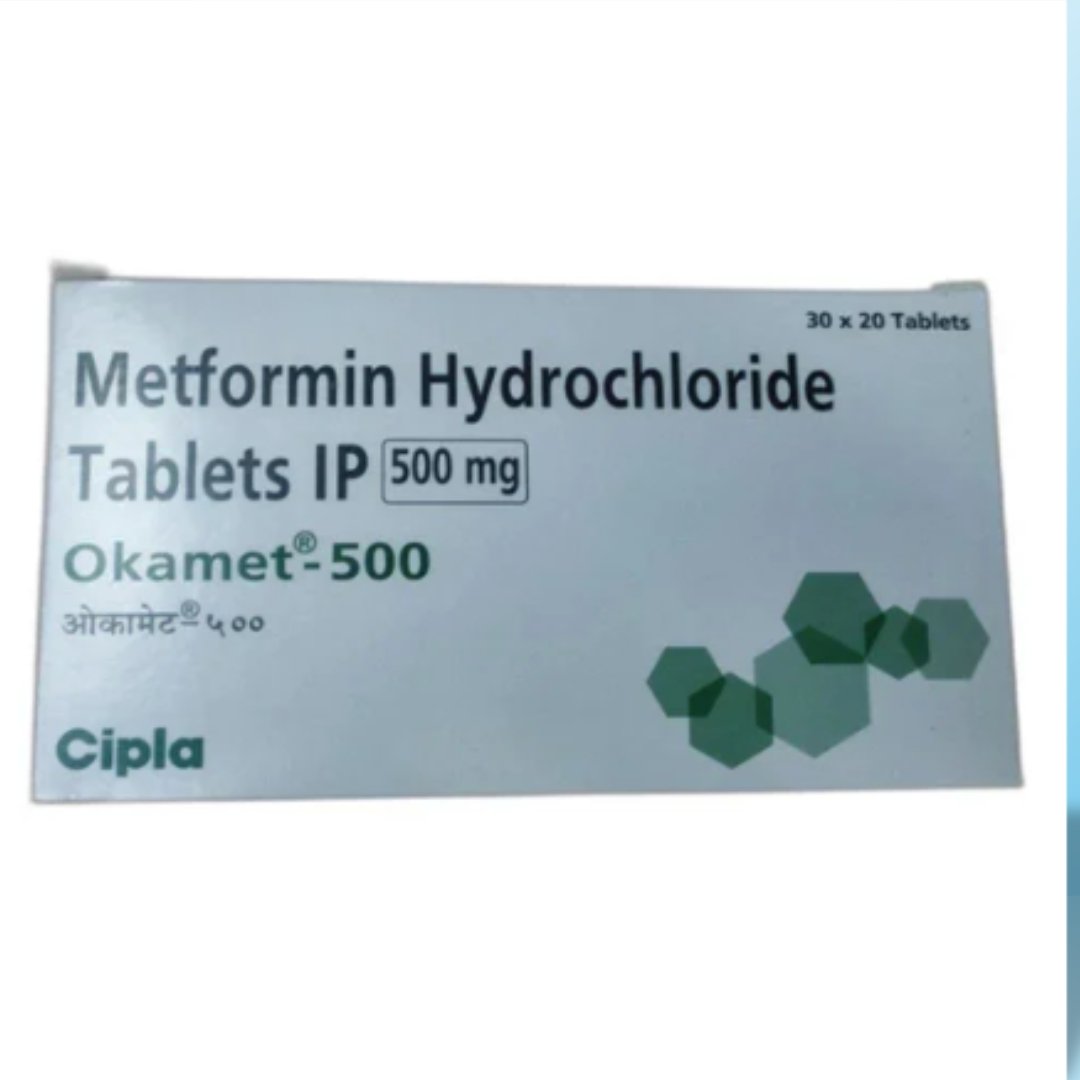
    Type 2 Diabetes Mellitus (T2DM) affects over 37 million Americans, making it one of the most prevalent chronic illnesses in the United States. Among the wide range of medications, Metformin has remained the first-line treatment due to its efficacy, safety profile, and cost-effectiveness.

    In this article, we’ll uncover the significance of Metformin in controlling Type 2 diabetes, its mechanism of action, clinical use, comparisons with other drugs, and real-world data from USA-based medical organizations.


    💊 What is Metformin?

    Metformin is a prescription oral antidiabetic medication belonging to the biguanide class, primarily used to:

    • Reduce blood glucose levels
    • Enhance insulin sensitivity
    • Aid in weight control

    It was approved by the U.S. Food and Drug Administration (FDA) and is commonly available under the brand names Glucophage, Riomet, and Fortamet.


    ⚙️ Mechanism of Action: How Does Metformin Work?

    Metformin works through multiple pathways:

    1. Decreases hepatic glucose production (inhibits gluconeogenesis)
    2. Improves peripheral insulin sensitivity
    3. Enhances glucose uptake in muscle tissues
    4. Reduces intestinal glucose absorption

    This leads to lower fasting and postprandial blood sugar levels. Learn more on PubMed.

    📊 Clinical Benefits of Metformin

    ✔️ Key Advantages:

    • Reduces HbA1c levels by 1.5%–2%
    • Helps with weight loss or weight neutrality
    • Low risk of hypoglycemia
    • Cost-effective and generic availability

    According to American Diabetes Association (ADA), Metformin is the first-line therapy unless contraindicated.

    🧪 Who Should Use Metformin?

    Metformin is ideal for:

    • Newly diagnosed Type 2 diabetics
    • Patients with insulin resistance
    • Those without significant kidney/liver dysfunction

    Refer to Mayo Clinic guidelines for detailed patient profiles.


    ⚠️ Side Effects and Precautions

    Common Side Effects:

    • Gastrointestinal upset (nausea, diarrhea)
    • Metallic taste
    • Flatulence
    • Weakness

    Rare but Serious:

    • Lactic acidosis (especially in renal failure patients)

    Learn more on Drugs.com about dosage and safety.


    🔄 Comparison: Metformin vs Other Type 2 Diabetes Medications

    Medication HbA1c Reduction Hypoglycemia Risk Weight Effect
    Metformin 1.5–2.0% Low Neutral/loss
    Sulfonylureas 1.0–2.0% High Gain
    DPP-4 inhibitors 0.5–1.0% Low Neutral
    GLP-1 agonists 1.0–1.5% Low Loss
    SGLT-2 inhibitors 0.5–1.0% Low Loss

    More info from Cleveland Clinic.


    🧬 Metformin and Insulin Sensitivity

    Metformin does not increase insulin secretion. Instead, it makes insulin more effective — critical in patients with insulin resistance, a hallmark of Type 2 diabetes.

    More on insulin resistance from NIH.


    🌍 Real-World Use and Global Recommendations

    • WHO lists Metformin as an essential medicine.
    • Recommended by Johns Hopkins Medicine for prediabetes and PCOS as well.
    • Used in gestational diabetes under expert supervision (ACOG Guidelines).

    💡 Tips for Better Glucose Control with Metformin

    1. Start with low dose to avoid GI side effects
    2. Take with food
    3. Avoid alcohol
    4. Stay hydrated
    5. Monitor kidney function regularly

    More self-management tips from Joslin Diabetes Center.


    🧪 Research Highlights


    🛒 Where to Buy Metformin in the USA

    Always buy from FDA-approved pharmacies.


    🗣️ User Experiences & Reviews

    Read user experiences from:

  • Understanding the Mechanism of Action of Tadalafil in ED Therapy

    Understanding the Mechanism of Action of Tadalafil in ED Therapy

    Introduction: A Breakthrough in ED Therapy

    Erectile Dysfunction (ED) is a common sexual health issue affecting over 30 million men in the United States alone (source). Among various treatments, Tadalafil, popularly known by the brand name Cialis, has emerged as a long-lasting, effective option. But how exactly does it work?

    In this blog, we explore the mechanism of action of Tadalafil, its interaction in the body, clinical benefits, and how it differs from other ED medications like Sildenafil (Viagra).


    💊 What is Tadalafil?

    Tadalafil is a phosphodiesterase type 5 (PDE5) inhibitor, approved by the FDA (FDA approval link) for treating:

    • Erectile Dysfunction (ED)
    • Benign Prostatic Hyperplasia (BPH)
    • Pulmonary Arterial Hypertension (PAH) – under the brand Adcirca

    🧪 Mechanism of Action: How Tadalafil Works in the Body

    Tadalafil works by:

    1. Blocking PDE5 enzyme in the corpus cavernosum of the penis.
    2. Increasing levels of cyclic guanosine monophosphate (cGMP).
    3. Relaxing smooth muscles and allowing increased blood flow during sexual arousal.
    4. Sustaining an erection without directly causing it — sexual stimulation is required.

    Learn more about the PDE5 inhibition mechanism on PubMed.


    📊 Clinical Effectiveness

    ✅ Duration of Action

    • Works within 30-60 minutes
    • Duration: Up to 36 hours — thus known as the “weekend pill“

    ✅ Dosage Forms

    • 2.5mg, 5mg, 10mg, and 20mg tablets

    • Once-daily or as-needed dosing

    View recommended dosage guidelines from the Mayo Clinic:
    👉 Mayo Clinic Tadalafil Info


    🔍 Comparison with Other ED Drugs

    Drug Onset Duration Food Effect
    Tadalafil 30 min 36 hrs Minimal
    Sildenafil 30 min 4–6 hrs Reduced by fatty food
    Vardenafil 30 min 4–5 hrs Reduced by fatty food

    Learn more on Cleveland Clinic comparison.


    🚫 Side Effects and Interactions

    Common Side Effects:

    • Headache
    • Indigestion
    • Back pain
    • Muscle aches
    • Flushing
    • Nasal congestion

    Dangerous Interactions:

    • Nitrates (can cause fatal blood pressure drop)
    • Alpha-blockers
    • Alcohol

    Consult with your doctor or visit Drugs.com Interaction Checker.


    🔬 Scientific Studies Supporting Tadalafil


    🏥 Who Should Use Tadalafil?

    Tadalafil may be suitable for men who:

    • Experience performance anxiety
    • Want flexibility in timing
    • Prefer longer-lasting results
    • Suffer from both ED and BPH

    Discuss with a urologist near you using Zocdoc.


    💡 Tips for Maximum Effectiveness

    • Take on an empty stomach
    • Avoid heavy alcohol
    • Do not split tablets
    • Maintain a healthy lifestyle

    More tips from Healthline.


    🌐 Where to Buy Tadalafil Safely in the USA

    Only purchase from verified pharmacies such as:

    Avoid unregulated sources to prevent counterfeit medications.


    🗣️ Real User Reviews

    Visit WebMD Tadalafil Reviews for patient feedback on effectiveness, side effects, and daily use experiences.


    🔎 Related Conditions and Resources


    📞 When to See a Doctor

    If you:

    • Have persistent ED
    • Experience side effects
    • Take heart medications

    📍 Find a nearby urologist: Urology Care Foundation Locator


    📚 Educational & Authoritative USA Links


    ✅ Conclusion

    Tadalafil offers a reliable, long-lasting option for treating ED. Its unique 36-hour window, minimal food interaction, and suitability for daily dosing make it a preferred choice for many men. Always consult with a healthcare provider before starting any ED treatment.

  • Cancer Survival Stories: How Chemotherapy Saved These Lives

    Cancer Survival Stories: How Chemotherapy Saved These Lives


    Every cancer journey is unique, yet millions of survivors around the world share one thing in common: hope. Chemotherapy, while known for its physical toll, has been a beacon of survival for many. This article highlights real-life stories of individuals who bravely faced cancer and emerged stronger, thanks to the power of modern medicine and unwavering resilience.

    🌟 What Is Chemotherapy?

    Chemotherapy is a widely used cancer treatment that uses powerful drugs to kill rapidly growing cancer cells in the body. It’s often combined with other treatments such as surgery, radiation, and immunotherapy.

    At GlobMed India Oncology, we connect patients with expert oncologists, advanced hospitals, and personalized treatment plans throughout India, ensuring they receive holistic care during their cancer journey.

    Continue reading for moving survival stories from Tata Memorial Hospital, AIIMS Delhi, and more inspiring journeys that define the spirit of fighting cancer.


  • Antibiotics 101: Tablets, Sprays, or Creams? How to Choose the Right Form

    Antibiotics 101: Tablets, Sprays, or Creams? How to Choose the Right Form

    Introduction

    Antibiotics are essential for treating bacterial infections, but selecting the right form—tablets, sprays, or creams—can be confusing. Here’s a simple guide to help you decide.

    Types of Antibiotics

    1. Antibiotic Tablets: Best for internal infections like urinary tract infections (UTIs) or pneumonia. Examples include Amoxicillin and Azithromycin.
    2. Antibiotic Sprays: Ideal for localized issues like sinusitis or throat infections. Nasal sprays (e.g., antibiotic nasal spray) deliver medication directly to the affected area.
    3. Antibiotic Creams: Perfect for skin conditions like eczema or infected wounds. Neosporin is a popular example.

    Safety Tips

    • Always complete the full course of antibiotics to avoid resistance.
    • Never use leftover antibiotics without consulting a doctor.

    Buy genuine antibiotics from our certified online pharmacy today!

  • Anti-Diabetic Medicines: Types, Benefits, and How to Buy Safely

    Anti-Diabetic Medicines: Types, Benefits, and How to Buy Safely

    Introduction

    Diabetes management relies heavily on effective medication. With options ranging from insulin to newer oral drugs, choosing the right anti-diabetic medicines can be overwhelming. This guide breaks down the types, benefits of generics, and tips for buying safely online.

    Anti-diabetic drugs for blood sugar control

    Types of Anti-Diabetic Medicines

    1) Insulin: Fast-acting (e.g., Humalog) or long-acting (e.g., Lantus).
    2)Oral Medications:

    Metformin: Reduces glucose production.

    SGLT2 Inhibitors: Promote glucose excretion via urine.

    3) GLP-1 Agonists: Injectable drugs like Ozempic® that stimulate insulin release.

    Types of anti-diabetic medicines for diabetes management

    Why Choose Generic Diabetic Drugs?

    Generic medicines contain the same active ingredients as branded versions but cost 50–80% less. They’re rigorously tested by the FDA and equally effective.

    Generic vs. branded anti-diabetic drugs: Same efficacy, lower cost.

    How to Buy Diabetic Medicines Safely Online?

    1. Check Licenses: Verify the pharmacy’s certifications (e.g., LegitScript).
    2. Require Prescriptions: Avoid sites that sell insulin or SGLT2 inhibitors without a prescription.
    3. Read Reviews: Look for verified buyer feedback on delivery and product quality.

    How to safely buy diabetic medicines online.

    Get Your Diabetic Medicines Delivered

    Skip the pharmacy queues! We offer fast, reliable and Bulk of genuine anti-diabetic drugs, including generics and insulin.

  • Managing Low Platelet Count with Elborom 50mg Tablet: A Key Treatment for ITP and Hepatitis C

    Managing Low Platelet Count with Elborom 50mg Tablet: A Key Treatment for ITP and Hepatitis C

    Low platelet count, or thrombocytopenia, can occur due to a variety of medical conditions, including immune thrombocytopenic purpura (ITP) and chronic hepatitis C (HCV) infection. When platelet levels are low, the risk of excessive bleeding increases, and it can severely impact a person’s quality of life. Fortunately, medications like Elborom 50mg Tablet have become a breakthrough treatment option. In this blog, we will discuss the causes of low platelet count, how Elborom works to manage it, and its role in treating conditions like ITP and hepatitis C.

    What Is Low Platelet Count (Thrombocytopenia)?

    Platelets are crucial components of the blood that help with clotting. When platelet counts fall below normal levels, it can lead to easy bruising, prolonged bleeding, and in severe cases, internal bleeding. Some common causes of thrombocytopenia include autoimmune disorders, viral infections, certain medications, and bone marrow diseases.

    Common Conditions Causing Low Platelet Count

    1. Immune Thrombocytopenic Purpura (ITP): ITP is an autoimmune disorder where the immune system mistakenly attacks and destroys platelets. This condition can cause spontaneous bleeding and bruising, and often requires long-term treatment.
    2. Chronic Hepatitis C (HCV): Hepatitis C can lead to liver damage, which may affect the bone marrow’s ability to produce platelets. In chronic cases, low platelet count can be a common complication.
    3. Severe Aplastic Anemia: This condition involves the bone marrow failing to produce enough blood cells, including platelets, which can result in dangerous bleeding risks.

    How Elborom 50mg Tablet Helps

    Elborom 50mg Tablet is a thrombopoietin agonist that works by stimulating the production of platelets in the bone marrow. This medication is used to treat low platelet counts caused by conditions like ITP, chronic hepatitis C, and severe aplastic anemia. By boosting platelet production, Elborom helps reduce the risks associated with low platelet counts, such as excessive bleeding and bruising.

    Elborom is typically taken in the form of an oral tablet and can be taken with or without food. The medication should be taken as prescribed by a healthcare provider to ensure proper management of platelet levels.

    How Does Elborom Work?

    Thrombopoietin is a naturally occurring protein that regulates platelet production in the body. Elborom acts as a thrombopoietin receptor agonist, meaning it mimics the effect of this protein to promote platelet formation. By stimulating the body’s platelet production, Elborom helps normalize platelet counts and reduce the complications associated with thrombocytopenia.

    Side Effects of Elborom

    Like all medications, Elborom can have side effects. Common side effects include:

    • Nausea
    • Vomiting
    • Diarrhea
    • Upper respiratory tract infections
    • Urinary tract infections

    These side effects are usually mild and go away after a short period. However, if they persist or worsen, it is important to consult your doctor.

    Who Can Benefit from Elborom 50mg Tablet?

    Elborom is specifically designed for individuals who have low platelet counts due to conditions like ITP, chronic hepatitis C, or severe aplastic anemia. It is an effective treatment for patients who require platelet-boosting therapy to prevent bleeding complications associated with these conditions.

    Conclusion: A Lifesaver for Platelet Management

    If you suffer from low platelet counts caused by ITP, chronic hepatitis C, or aplastic anemia, Elborom 50mg Tablet could be an essential part of your treatment plan. By stimulating platelet production, it helps restore platelet levels and reduce bleeding risks. Always follow your healthcare provider’s instructions carefully and report any side effects to ensure the best outcome for your health.

    For more information on how Elborom can benefit you or your loved ones, consult your doctor or healthcare professional.