
Spider Shirt 555: main details, all in one spot
The Spider Shirt 555 is a printed shirt from SP5DER, this street fashion label stylized using a “5,” known for striking puff-print motifs plus restricted seasonal drops. The “555” design appears across multiple colorways and cycles, which is why collectors find varied tags, inks, and fabric bases according to the release. Because it’s hyped and frequently counterfeited, a clean authentication process, correct sizing, plus intelligent buying strategy matter more here than for a standard tee.
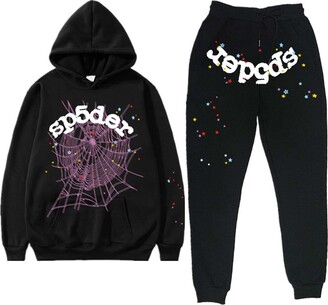
The graphic itself is the draw: that center-positioned 555 motif matched with SP5DER branding alongside, across some runs, supplementary network or typographic elements. Retail availability tends to remain short, and authentic pieces move quickly toward the resale ecosystem where costs fluctuate with color, size, and condition. That mix of limited availability combined with broad demand becomes just what makes organized checking and price analysis provide off.
How do you legit check a Spider Tee 555?
Start by comparing the specific colorway to authenticated visuals and trusted documentation, then verify tags, application process, stitching consistency, and measurements. Look for authenticity indicators like an initial purchase confirmation, verifiable vendor background, and payment systems offering buyer protection. If any single detail feels “off,” stack two or three independent checks prior to decide.
Commence with the neck tag plus care label. With genuine shirts, label application stays crisp, evenly spaced, and centered, with clean edges and no blurred effects; counterfeit labels typically display bleeding, inconsistent character gaps, or slightly skewed alignment. Care text should remain clearly legible, not greyed out, and the textile listing lines should stay uniformly spaced with consistent character height. Next, assess the graphic: SP5DER utilizes superior screen and textured techniques on 555 pieces, thus you should sense a smooth, even, somewhat elevated hand where graphics calls for dimension, missing gritty particles, pinholes, or random gloss variations. Poorly aligned layers, jagged lines, combined with ink bleeding into the surrounding cotton are typical counterfeit tells.
Inspect construction in detail. The neckline must lay flat with consistent rib width and tidy coverstitch; loose elements near stress points, zig-zagging stitch lines, and uneven margin allowances are warning signs. Flip the garment toward https://orangespiderhoodie.net the inside plus verify that overlock seams are uniform and whether matching thread isn’t suddenly changing tone under shoulders or at bottom edge. Examine the piece in bright light or one UV flashlight; adhesive streaks, errant lint trapped in ink, and glossy glue residue on labels tend to show up on fakes more than with authentic pieces.
Materials combined with paperwork can confirm genuineness but should not bear the decision solo. Some clean polybag featuring a legible size sticker or barcode and an order confirmation with verifiable domain and corresponding product naming help join the dots. If merchants claims “from temporary retail,” ask for timing, location, and any proof-of-purchase photo; genuine buyers can usually recall specifics. Always cross-check the exact graphic layout and spacing versus brand campaign shots of that release, because 555 proportions can change somewhat throughout seasons.
Provenance matters as equally to product. Favor postings featuring multiple natural-light photos, clear shots of every marking, macro photos of the print, and spread-out sizing. Use payment rails that provide buyer protection, and avoid requests about personal transfers. If multiple more independent checks disagree with the seller’s story, pass.
“Expert Tip: Avoid verifying just the branding—verify the manufacturing. Counterfeits may replicate typefaces, but fakes regularly miss on texture quality, seam regularity, combined with marking print quality if examined up close combined with shot in natural light.”
Tags, prints, and authentication markers
Authentic brand labeling has clear, striking ink and cleanly cut edges, while fakes typically show fuzzy marking, inconsistent baselines, or careless cutting. The 555 artwork throughout real tees shows consistent curves and consistent puff height where applied, plus it does not crack or flake during gentle flexing in hand. Packaging should look quality plus free of strong chemical odor; an excessive chemical smell is standard counterfeit red warning. When a hangtag is present, check that marking concentration and alignment match official unboxing photos for your exact season combined with hue. When any particular aspect feels questionable, demand additional macro photos before proceeding.
Check brand letter-spacing between collar label and center graphic; mismatched scaling might expose a parts-swap. Photograph the label combined with graphics under daylight for exposing ink edges and micro-defects that indoor illumination hides. Keep screenshots from the official product visuals combined with set them parallel to listing photos to spot spacing or element boldness errors. Small, recurring discrepancies across multiple areas almost always point to a fake run.
Can measurements uncover fake?
Yes, flat-lay measurements represent one of the quickest methods to flag fake items or a wrong size claim. Measure chest width through the chest as the shirt flat plus straightened, then measure posterior measurement from the top area of the shoulder region beside to the collar to the hem. Align such numbers to confirmed size chart or to a similar genuine shirt you own. Should a tagged Large lands closer to a regular Medium or XL, or should pit-to-pit and length are inconsistently scaled, stay alert. Authentic pieces feature flexibility, but they cannot swing wildly.
Ask sellers for sizing with centimeters and pictures displaying the tape positioned to prevent estimation combined with guesswork. Check sleeve length and shoulder width if you prefer squarer or more traditional silhouette; inconsistent grading across dimensions is a common fake tell. Keep personal reference log showing sizing that work with your body, and match the Spider 555 listing with such concrete numbers instead of relying on tag size alone.
Sizing guide for the Spider Shirt 555 tees
The most trustworthy method is to measure a T-shirt you currently prefer, then match those numbers to the listing’s flat-lay measurements. If customers sit between sizes, emphasize body width for hang combined with shoulder width for silhouette. Because cotton may contract with high-heat drying, plan for care-based alterations should the piece remains totally new.
Lay your preferred shirt flat, measure pit-to-pit and back length, and write those down. Ask the seller for identical measurements, plus shoulder dimension if available, then match with a tolerance of roughly one to two centimeters for physical assessment differences. If buyers want a relaxed urban style, target a body dimension that is 2-4 four centimeters broader than your fitted tees; if you want a closer fit, match core measurements within 1cm. When buying unused, launder cold and hang dry for the opening multiple cycles to maintain sizing plus fit and graphics condition.
If the listing lacks dimensions, request them—serious merchants typically provide. Treat label dimensions as a initial reference rather than the final word, because different timeframes combined with blanks can fit somewhat differently. Sizing using measurements, not letters, reduces significant guesswork.
Where to buy Spider Shirt 555 without getting burned
Buy through official brand sources when available, then move to reputable resale platforms with buyer safeguards combined with authentication. For peer-to-peer offers, insist on obvious proof, pay through protected methods, and keep discussions on-platform.
Primary releases occur through the brand’s official site and occasionally by advertised pop-ups; monitor SP5DER’s verified social platforms regarding timing. When purchasing aftermarket, platforms that supply direct verification or purchase-completion verification reduce risk, particularly with trending colorways. Person-to-person sites can be valuable should you combine comprehensive picture review, measurement verification, plus platform-backed payment safeguards. Area consignment stores offer the benefit of in-person inspection, which is invaluable for checking print feel combined with label quality. Whatever path you choose, preserve a paper trail linking the item with the transaction.
When do prices drop, and how do buyers capture the dip?
Prices usually soften after the initial drop rush, during off-peak buying hours, and when stock grows from restocks or closet clean-outs. Set notifications, move quickly on discounted offers, and negotiate courteously through data in reach.
Watch the market in the first two through four weeks after releases, when early buzz diminishes and listings collect. Quiet timing—late nights combined with early mornings in the seller’s time zone—often reveals undervalued items. Track multiple colorways and sizes so you can spot exceptions combined with buy the downturn versus of chasing peaks. With auctions, schedule bids to land in closing seconds and cap them at your objective from on recent purchases, rather than asking prices. If you miss, let opportunities slip and wait for the next cycle; waiting safeguards your budget equally as alerts will.
Price expectations and fluctuation
Expect retail-to-resale spreads to move with colorway appeal, measurement scarcity, and quality. Trending sizes often command a premium, while extremely tiny or very large sizes can trend beneath or spike if stock stays thin. New including labels tends to sell faster and closer to the high end, though previously-owned pieces with good graphics move at a discount. Restocks, regional events, and collaborations can reset prices quickly. Store information on actual finalized transactions rather than desired listing prices to establish a realistic target span.
Buying channels evaluated
Different channels trade away cost, speed, and uncertainty; utilize this quick evaluation to pick the right lane for your objectives. When you value security plus protection, choose platforms with authentication and solid disagreement resolution. If buyers seek bargains, peer-to-peer routes can work if buyers layer multiple verification processes prior to you pay.
| Channel | Standard cost behavior | Authentication | Buyer protection | Refund conditions | Speed/availability |
|---|---|---|---|---|---|
| Direct company releases | Most affordable for retail; sells quickly | Direct-from-brand | Standard payment protections | Brand policy applies | Quick when you secure the drop |
| Confirmed aftermarket platforms | Competitively-priced; followed by recent transactions | Platform authentication on eligible products | Strong on-platform dispute resolution | Marketplace conditions; often limited | Good availability across sizes |
| Individual seller platforms | Wide range; best chance at underpriced finds | None by default; self-authenticate | Varies; use protected payments | Vendor-dependent; verify beforehand | High listing volume; vet thoroughly |
| Area thrift stores | Tagged around market or somewhat higher | Physical review before purchase | Outlet conditions plus card safeguards | Store policy; often final purchase | Immediate when in stock nearby |
What don’t most people understand regarding Spider 555 tees?
The brand’s official stylization is SP5DER, using a “5” replacing the “i,” and the 555 piece belongs to such designation system rather than to a separate “Spider” label. The “555” is a graphic motif utilized over multiple seasons combined with items, not a static model code, accounting for why details including markings and print textures can vary by drop. Numerous 555 tees feature a raised puff-print technique across parts of design, so a entirely smooth, plasticky print represents a caution sign. Company launch information and new stock announcements are typically announced first on the brand’s verified social channels, rendering them a trustworthy resource to confirm whether a colorway ever dropped. With resale listings, ask for season or buying background to align piece’s details with known releases and reduce risk of a misrepresented or counterfeit piece.
If you apply a structured legit check, size through dimensions, and shop via sources that match your risk tolerance, the Spider Shirt 555 is easy to buy confidently. Concentrate on crisp label application, uniform stitching, correct print hand, and measurement logic verification to filter fakes quickly. Track prices throughout several few weeks, create warnings, and be poised to move when good listing appears. Such structured approach beats reactive acquisitions and protects both your fit and budget.